Tale-telling and research.

November 2025
The Time of the Library: our experience of theTime of the Library can be considered as The Deep Time of a Tale-Teller’s Imagination.
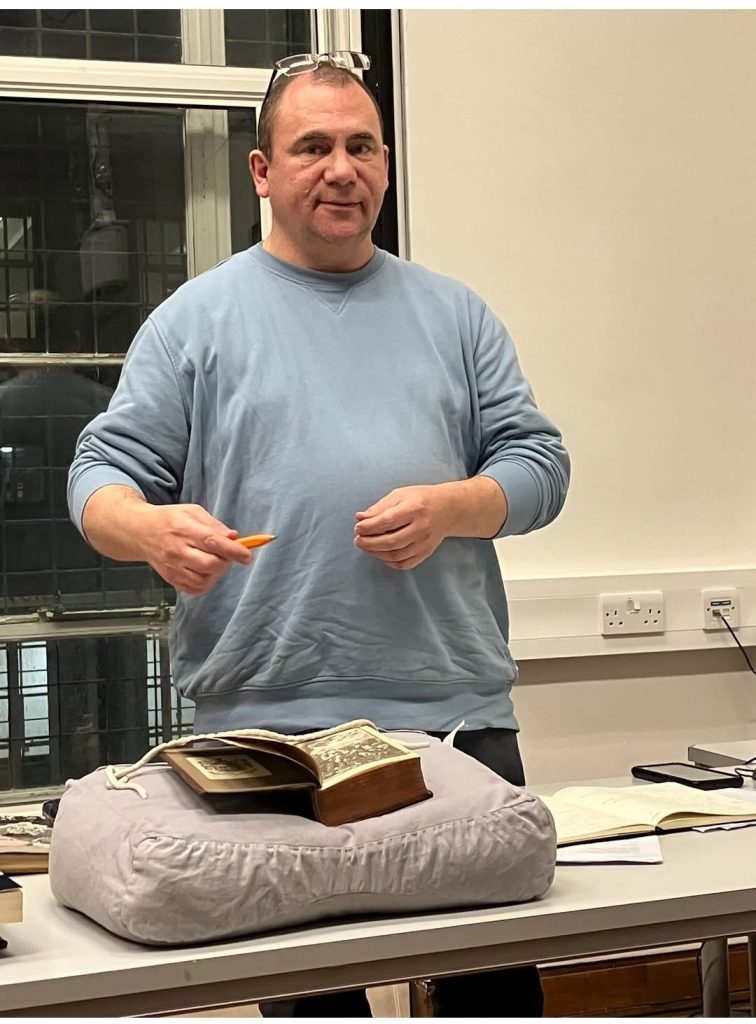
The persisting freedom of your imagination may be glimpsed when represented by a selection of books:
1. The Ocean of Story, aka: Kathā Sarit Sāgara or Ocean of Streams of Story; Aesopica, aka: The Fables of Aesop; 1001 Nights, aka: The Arabian Nights.
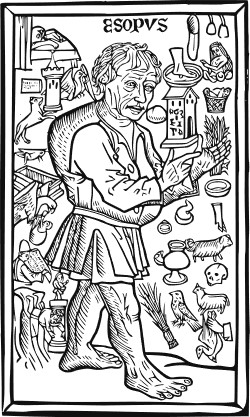
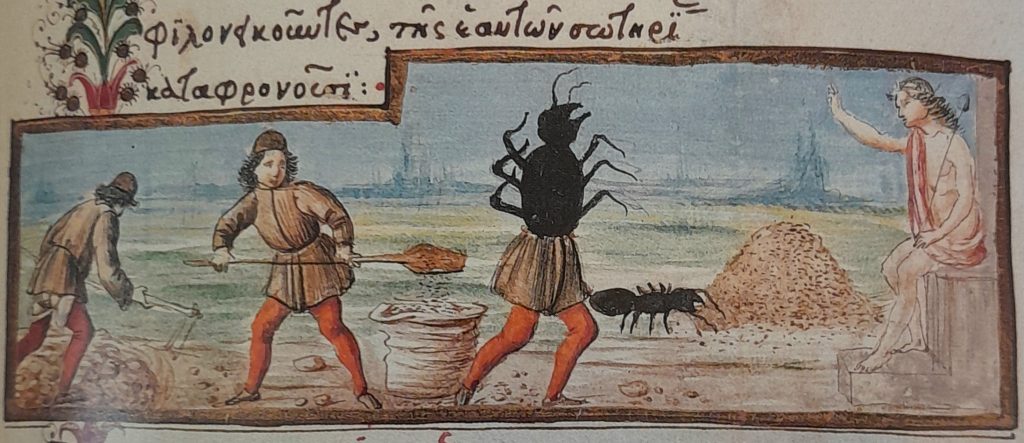
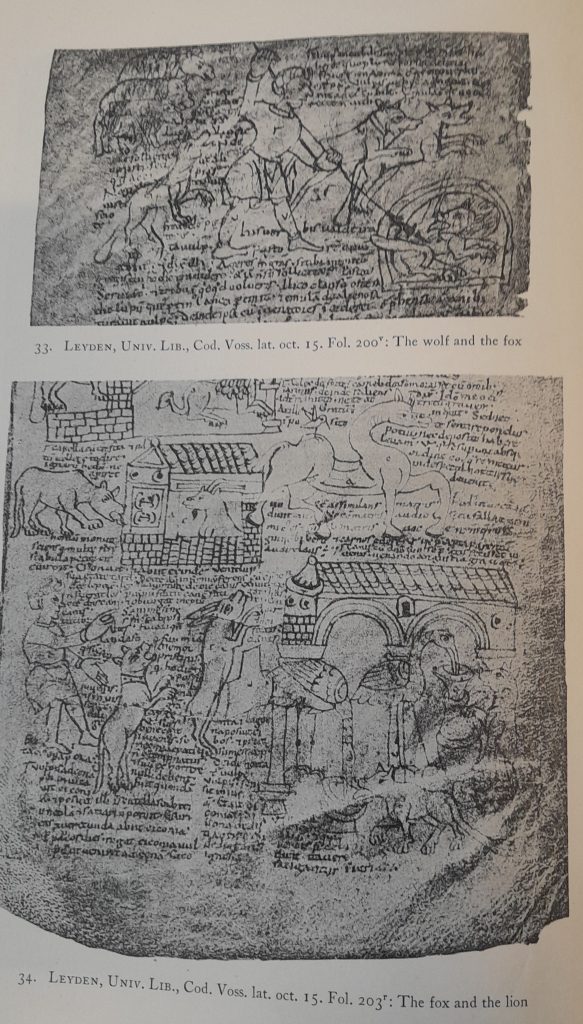
A cluster of items chosen to represent the triangulation of tale-telling as entanglement and cross-fertilisation. An authorship that circles the Mediterranean Sea, Mare Internum for the Roman Empire, yet this internal sea loosens story that continually slips away from empire.
2. Mummers’ plays; Punch and Judy. A selection of folk theatre items which might be considered as ludic extensions of the above mentioned entanglements.
3. Lament and the body. A single book of recent social anthropological scholarship chosen in response to my search terms. The title is The Spirit of Mourning: History, Memory and the Body. The gesture, the haptic, the embodied beginnings of tale-telling. Aesopic body is an imperfect body, although perfect bodies are ideological chimera; the imperfect can hold forth with gestural resistance, a tale within a tale, and perhaps further tales within those…
One near encounter with a book or a story triggers further exploration, further books, and further tales. This provision of encounter is key to the happy functioning of both library and story which in turn bolsters a persisting freedom of the imagination.
What glib meaning can we assign to freedom, as we are passing that way? A word so easily modified by the slightest addition. … Old English frēodōm (“freedom, state of free-will, charter, emancipation, deliverance) … From Middle English free, fre, freo, from Old English frēo (“free”), from Proto-West Germanic *frī, from Proto-Germanic *frijaz (“beloved, not in bondage”), from Proto-Indo-European *priHós (“pleased, loved”), from *preyH- (“to please, love”). Related to friend.
Freedom – friendship. A free encounter nurtures freely found kinship.
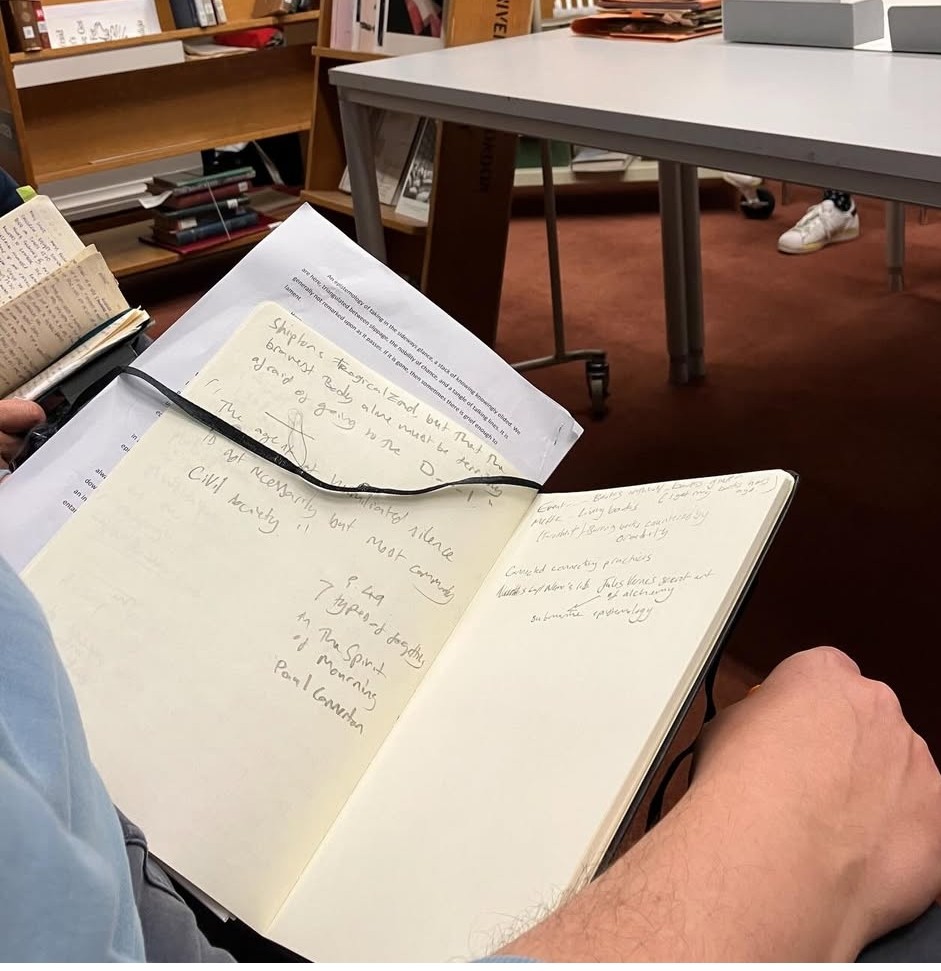
‘The agent of humiliated silence is not necessarily but commonly civil society.’
Paul Connerton, Seven types of forgetting